
On January 1, 2027, the statewide minimum wage in California
rises from $16.90 to $17.40 an hour. The 50-cent increase
applies to employers of every size, and it was set by an
inflation formula written into state law rather than a new
vote in Sacramento.
Fifty cents does not sound like much until you work out what
it does to a paycheck, which is my favorite kind of homework.
We also checked a claim that has been repeated in some coverage,
that California will have the highest state minimum in the
country next year. The numbers say otherwise.
ABC10 explains California’s upcoming minimum wage increase to $17.40 an hour, effective January 1, 2027.
State hourly minimum wage
Annual increase at 40 hours per week
Annual exempt salary threshold
What Changes on January 1
The
Department of Industrial Relations announcement
confirms the new rate and the date. It also sets a new
minimum salary for most exempt employees, because that
floor is tied to the hourly minimum.
| Year | Hourly minimum | Full-time weekly pay (40 hours) | Full-time annual pay (2,080 hours) | Exempt salary minimum |
|---|---|---|---|---|
| 2025 | $16.50 | $660 | $34,320 | $68,640 |
| 2026 | $16.90 | $676 | $35,152 | $70,304 |
| 2027 | $17.40 | $696 | $36,192 | $72,384 |
Source: California Department of Industrial Relations.
Weekly and annual earnings are calculated using 40 hours
per week and 52 weeks per year, before taxes.
Weekly and annual figures are my own calculations,
before taxes, for someone working 40 hours every week
of the year. The exempt salary minimum equals two times
the state minimum wage for full-time work, which is why
it moves every time the hourly rate does.
For 2027, the floor works out to $1,392 a week.
How the State Arrived at $17.40
Nobody negotiated the new rate. The California Director
of Finance certified it on July 31, 2026, based on a
consumer price index that rose 2.99% between July 2025
and June 2026, as
Ogletree Deakins explains in its summary
.
Under California Labor Code section 1182.12(c),
the Director of Finance must calculate the minimum
wage adjustment before August 1 each year.
The increase is the lesser of 3.5% or the change
in the U.S. Consumer Price Index for Urban Wage
Earners and Clerical Workers, known as CPI-W.
One detail is quite interesting. Applying 2.99% to $16.90
gives about $17.41, while the published rate is $17.40,
so the actual raise is 2.96%. Nobody will notice the
difference at the checkout line.
What 50 Cents Looks Like on a Real Paycheck
For a full-time worker at the state minimum, the raise
adds $20 a week before taxes, or $1,040 a year.
Someone working 25 hours a week gains $12.50.
+$0.50
+$12.50
+$20.00
+$1,040
An hourly wage and the amount that reaches a bank account are two different figures. Anyone who has worked out their effective hourly pay after taxes knows the gap, even if few people find the exercise exciting.
Minimum wage workers will see the same gap, because
payroll taxes and any withholding come out of that $20.
At our dinner table growing up, a raise of a few hundred
dollars a year counted because it changed what the family
could afford. Raises at the bottom of the pay scale
are measured in grocery bills, not percentages.
Who Gets the Raise and Who Already Earns More
The state minimum is a floor, and several groups of workers are already above it or follow different rules.
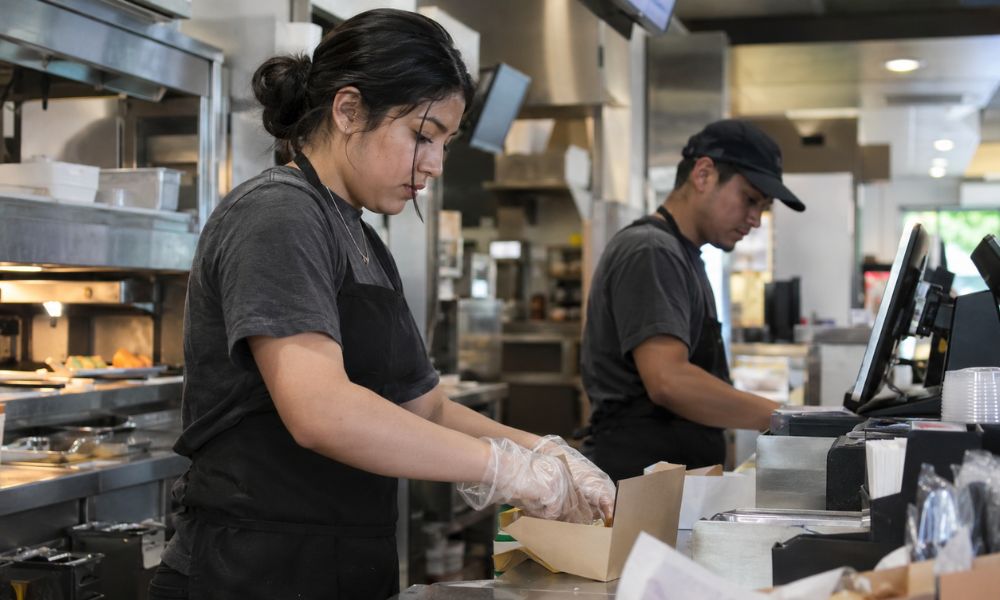
The Labor Commissioner minimum wage FAQ lays out who is covered.
- The rate applies regardless of employer size, and it makes no distinction between adults and minors.
- Employers cannot count tips toward the minimum wage, so servers and bartenders must receive the full $17.40 before tips.
- Most fast food workers are covered by a separate law and already earn at least $20 an hour.
- Many health care workers fall under Senate Bill 525, with minimums of $22 to $25 an hour as of July 1, 2026, depending on the type of facility.
- Outside salespersons and immediate family members of the employer are exempt, and learners may be paid 85% of the minimum for their first 160 hours, which comes to $14.79.
Many Cities Already Pay More Than the State Minimum
The state rate is the minimum everywhere in California,
but it is not the rate everywhere. Dozens of cities
and counties set their own higher minimums, and
employers must pay whichever rate is higher. The
UC Berkeley Labor Center inventory of local minimum wages
lists the highest current local rates.
- Emeryville:
$20.34 since July 1, 2026. - West Hollywood:
$20.25 since January 1, 2026. - Mountain View:
$19.70 since January 1, 2026.
Los Angeles moved to $18.42 and San Francisco to $19.61
on July 1, according to an
employer alert from CDF Labor Law
.
Several cities adjust on January 1, and the Labor Center
table, updated September 30, does not yet list 2027 local
rates. Anyone working in those cities should check the
local rate before relying on the state figure.
For a broader perspective on California earnings, our comparison of average hourly wages in San Francisco and Miami shows how significantly pay can differ between metropolitan areas, although those averages should not be confused with minimum wage rates.
Salaried Workers Need a Bigger Paycheck Too
The quietest part of the change may matter most for office
workers. To be classified as exempt from overtime, most
salaried employees in California must earn at least
$72,384 a year starting January 1, up $2,080 from $70,304.
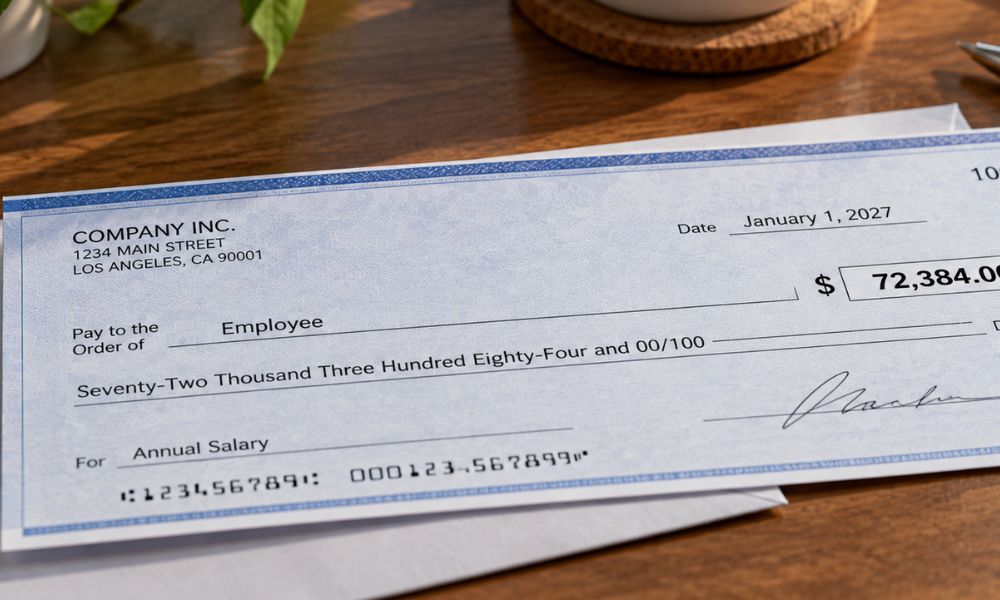
An employee who meets the duties test but earns,
say, $71,000 has two possible outcomes. The employer
raises the salary above the new floor, or the job
becomes eligible for overtime. A job title alone
does not decide it.
Compensation work made me suspicious of job titles
for exactly that reason. Two “office managers” can sit
on opposite sides of the exemption line depending on
duties and pay. Computer software professionals follow
a separate pay threshold under Labor Code section 515.5,
which is adjusted on its own schedule. Fast food and
health care employers also use different exempt
thresholds tied to their industry minimums.
California Will Not Have the Highest State Minimum in 2027
Some coverage of the announcement described $17.40 as
the highest statewide minimum in the country.
On October 2, Washington State announced its own
2027 rate, and it is higher.
Washington will pay at least $17.73 an hour
starting January 1, 2027, a 60-cent increase from $17.13.
Both states use CPI-W, but Washington measured August
to August and California measured July to June.
Comparing state minimums without checking the
measurement period is how a simple headline goes wrong.
What Workers and Employers Should Check Before January
Most of the work falls on employers, but workers can
verify the result in minutes.
- Review your pay stub.
Workers should look at the first pay stub covering
hours worked on or after January 1, 2027.
California pay stubs must list the hourly rate,
so $17.40 or a higher local rate should appear there. - Check the exempt salary threshold.
Salaried employees earning under $72,384 should
ask whether their pay will rise or whether they
will become eligible for overtime. - Update payroll and workplace notices.
Employers should update payroll systems and post
the new state and industry notices before the new
year, as the Department of Industrial Relations
requires. - Verify agricultural wage requirements.
Farm employers with H-2A workers must pay the
highest applicable wage, which
Western Growers notes
means at least $17.40 for anyone now paid $16.90.
Workers who are underpaid can file a wage claim with
the Labor Commissioner. Back pay and penalties may apply.
The Next Number Arrives Before August 1
The $17.40 rate takes effect on Friday, January 1,
2027, and most workers will see it on the first paycheck
covering January hours. A full-time worker at the state
minimum will earn $36,192 before taxes in 2027,
assuming 40 hours every week.
A rate for 2028 will come from the same formula.
The Director of Finance must announce it before August 1,
2027, using CPI-W from July 2026 through June 2027,
and it cannot rise more than 3.5%.